Health is one of the most important parts of everyday life, yet understanding health information is not always easy. People are constantly exposed to advice about nutrition, exercise, medicine, mental well-being, disease prevention, and new medical discoveries. Some information is useful and supported by scientific evidence, while other information may be incomplete, misleading, or difficult for an ordinary reader to understand.
The growing interest in health sciences has made reliable information more important than ever. People want to understand their bodies, make better lifestyle choices, and learn how modern medicine works. At the same time, the internet has created an enormous amount of information that can be accessed within seconds. The challenge is learning how to recognize useful information and apply it responsibly.
The phrase healthsciencesforum arranie can be viewed in the broader context of this growing interest in health education and scientific discussion. Whether someone is a student, a health enthusiast, or simply interested in living a healthier life, developing basic health literacy can make it easier to understand medical topics and make informed decisions.
What Are Health Sciences?
Health sciences are a broad group of scientific fields concerned with human health, disease, prevention, treatment, and overall well-being. They include areas such as medicine, nursing, pharmacy, nutrition, public health, psychology, laboratory science, and many other disciplines.
Each field has its own focus, but they are closely connected. For example, nutrition can influence the risk of certain diseases, while psychology can affect how a person manages stress or follows a treatment plan. Public health focuses on the health of communities and populations rather than only individual patients.
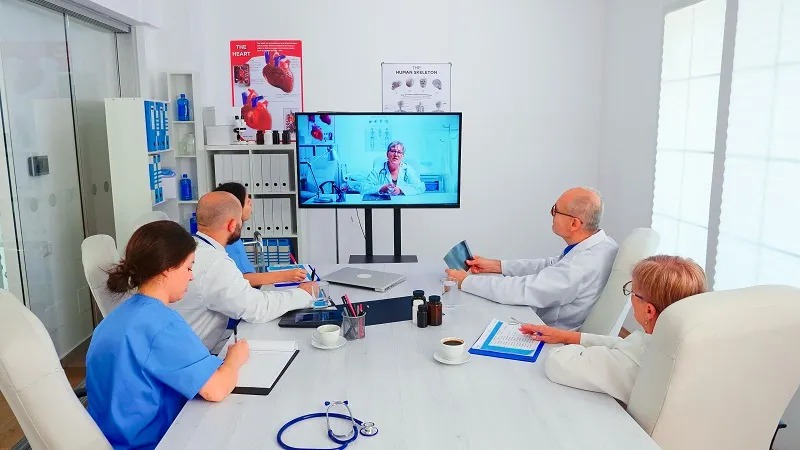
Modern healthcare depends on cooperation between these different areas. Doctors may diagnose a condition, nurses may provide ongoing care, pharmacists may help patients use medicines safely, and nutrition professionals may offer dietary guidance. Researchers also play an important role by studying diseases and developing new approaches to prevention and treatment.
Why Health Literacy Matters
Health literacy refers to a person’s ability to find, understand, evaluate, and use health information. It does not mean that someone needs to become a medical expert. Instead, it means having enough knowledge to ask appropriate questions, understand basic health advice, and recognize when professional assistance is needed.
Good health literacy can help people understand medication instructions, medical appointments, laboratory reports, preventive care recommendations, and general lifestyle guidance. It can also reduce the risk of believing inaccurate health claims.
For example, someone may read that a particular food, supplement, or exercise can provide extraordinary health benefits. Rather than accepting the claim immediately, a health-literate person may ask where the information came from, whether scientific evidence supports it, and whether the advice is appropriate for different people.
This approach encourages thoughtful decision-making instead of relying on headlines or social media posts.
The Importance of Scientific Evidence
Scientific evidence is an important foundation of modern healthcare. Researchers conduct studies to understand how diseases develop, how treatments work, and which preventive strategies may be effective. Evidence is collected through different types of research, including laboratory studies, observational studies, clinical trials, and systematic reviews.
Not every study provides a final answer. Research findings may change as scientists learn more. A small study may produce an interesting result, but larger and better-designed studies are often needed before strong conclusions can be reached.
This is why health information should be considered carefully. A single study should not always be treated as proof that something works for everyone. Researchers generally look at the total body of evidence before reaching strong conclusions.
The same principle applies to information associated with healthsciencesforum arranie. Readers should focus on whether a health claim is supported by credible scientific evidence rather than simply judging it by how confidently the claim is presented.
Common Sources of Health Information
People receive health information from many sources. These may include healthcare professionals, educational institutions, scientific publications, government health organizations, books, newspapers, television, and online platforms.
Healthcare professionals are particularly important when a person needs advice about an individual medical concern. A general article can explain a health topic, but it cannot replace a professional evaluation of a person’s symptoms, medical history, medications, or risk factors.
Educational resources can also help people understand complex subjects. A well-written article may explain terminology and provide background information that makes conversations with healthcare professionals easier.
Online information can be useful as long as readers approach it critically. Before trusting a health claim, it is sensible to consider who produced the information, whether evidence is provided, whether the information is current, and whether the source clearly distinguishes facts from opinions.
Healthy Lifestyle Choices
Many aspects of health are influenced by everyday habits. Regular physical activity, balanced nutrition, adequate sleep, stress management, and avoiding harmful substances can all contribute to overall well-being.
A balanced diet generally includes a variety of foods that provide important nutrients. Fruits, vegetables, whole grains, protein sources, and healthy fats can all have a place in a varied eating pattern. Individual nutritional needs can differ depending on age, activity level, medical conditions, and other factors.
Physical activity is another important part of a healthy lifestyle. People do not necessarily need to participate in intense workouts to become more active. Walking, cycling, swimming, recreational sports, and other forms of movement can contribute to physical fitness.
Sleep is sometimes overlooked, even though it plays an important role in physical and mental health. Maintaining a consistent sleep schedule and creating a comfortable sleeping environment may support better rest.
Mental health should also be treated as an important part of overall health. Stress is a normal part of life, but long-term or overwhelming stress can affect well-being. Talking with trusted people, maintaining social connections, practicing relaxation techniques, and seeking professional support when necessary can be helpful.
Understanding Medical Information Responsibly
Medical information can sometimes be difficult because it contains technical terms and complex explanations. Instead of trying to understand everything at once, readers can focus on the main points and look up unfamiliar terms from reliable educational sources.
It is also important to distinguish between general information and personal medical advice. Two people can have similar symptoms but completely different causes or treatment needs. Factors such as age, medical history, medications, allergies, and lifestyle can influence healthcare decisions.
People should therefore avoid changing prescription medicines, starting treatments, or stopping medical care based solely on something they read online. When a health concern is serious, persistent, or unusual, professional medical advice is the safest approach.
This is especially important when reading material connected to broad discussions such as healthsciencesforum arranie, because general educational content should encourage informed conversations rather than replace qualified healthcare.
The Role of Prevention
Prevention is one of the most valuable areas of health science. Instead of focusing only on treating disease after it develops, preventive healthcare aims to reduce risks before serious problems occur.
Preventive measures may include vaccinations, regular health screenings, maintaining a healthy weight, staying physically active, eating a balanced diet, and avoiding tobacco products. The appropriate preventive measures depend on factors such as age, family history, personal health, and local medical recommendations.
Early detection can also make a significant difference for certain conditions. Screening programs are designed to identify potential health problems before symptoms become obvious. However, not every screening test is appropriate for everyone, so individuals should discuss relevant options with healthcare professionals.
Technology and the Future of Health Education
Technology is changing the way people learn about health. Digital resources can make educational material available to people who might not otherwise have easy access to health information. Mobile applications, online courses, digital medical records, and educational platforms are examples of how technology can support healthcare and learning.
Artificial intelligence and data analysis are also becoming increasingly important in medical research and healthcare. These technologies may help researchers identify patterns, support diagnostic processes, and improve the organization of medical information.
However, technology also creates challenges. False health claims can spread quickly online, and algorithms may repeatedly show users similar information without confirming whether it is accurate. For this reason, digital health literacy is becoming just as important as traditional health literacy.
How to Become a More Informed Health Reader
Becoming better informed does not require reading every medical study or learning complicated scientific terminology. A few simple habits can make a major difference.
First, consider the source of the information. Reliable health information usually identifies its authors, evidence, references, or responsible organization.
Second, look beyond sensational headlines. A headline may simplify a study or make a result sound more dramatic than it actually is.
Third, compare information from several trustworthy sources. If a claim appears consistently across respected medical and scientific resources, it may deserve greater confidence.
Finally, remember that health advice is not always universal. What is appropriate for one person may not be appropriate for another. Personal medical decisions should be discussed with qualified healthcare professionals.
Conclusion
Health science helps society understand disease, improve treatment, prevent illness, and support healthier lives. As access to information continues to grow, people have more opportunities to learn about their health, but they also have a greater responsibility to evaluate what they read.
The central lesson behind healthsciencesforum arranie is best understood as part of a wider need for clear, responsible, and evidence-based health education. Good health information should inform rather than frighten, encourage thoughtful decisions rather than quick conclusions, and help people understand when professional guidance is necessary.
By developing basic health literacy, questioning unsupported claims, learning from credible sources, and maintaining healthy everyday habits, individuals can become more confident participants in their own healthcare. Health is a lifelong subject, and continuing to learn is one of the most practical steps a person can take toward making informed choices.